
Startseite Staying Fit as You Age: Recognizing and Preventing Muscle Loss
Staying Fit as You Age:Recognizing and Preventing Muscle Loss
Dear Patients,
Anyone who does not engage in physical activity loses around 10% of their muscle mass starting at the age of 30. This becomes increasingly noticeable with advancing age. Even simple daily movements such as climbing stairs, standing up from a chair or maintaining balance on uneven ground become increasingly difficult. The risk of falling rises significantly: around one-third of people over the age of 65 fall at least once per year. The consequences can be substantial and may lead to long-term dependence on support in daily life.
Targeted strength training and early prevention can significantly influence this loss of strength. Studies show that regular training can increase muscle strength by 50–100% even at an advanced age. Those who start systematic training at age 40 or 50 significantly reduce their risk of falling and often maintain their mobility and quality of life well into old age.



Early detection of muscle loss
Early detection of muscle loss
Muscle loss refers to the reduction in muscle mass and strength.
In medical terminology, this process is known as muscle atrophy. The age-related form is called sarcopenia. It begins between the ages of 30 and 40 and accelerates noticeably with increasing age. In addition to natural aging, inactivity, illness and inadequate or imbalanced nutrition can contribute to the development of muscle atrophy.
The symptoms often develop gradually: reduced physical performance, quicker fatigue or difficulties with everyday movements such as climbing stairs. An increased risk of falls and injuries may also be an indication.
Several diagnostic methods are available:
- Clinical tests such as the chair-rising test (repeated standing up from a chair) or the measurement of handgrip strength using a dynamometer.
- Bioelectrical impedance analysis (BIA) to precisely assess muscle mass.
- Blood tests, which provide insights into inflammatory processes, hormonal changes or deficiencies affecting muscle metabolism.
Prevention plays a particularly important role: regular monitoring of body weight, physical activity and awareness of everyday changes can help detect muscle loss early. For risk groups such as older adults, chronically ill individuals or people with a sedentary lifestyle, screening as part of preventive examinations is increasingly recommended.

Muscle groups particularly affected
Leg muscles (quadriceps, hamstrings, calves):
- Quadriceps affected especially early
- Essential for walking, climbing stairs, standing up
- Weakness significantly increases the risk of falling
Gluteal muscles (gluteus maximus):
Stabilize hips and pelvis
Essential for balance and safe gait
Core and back muscles:
Keep the spine upright
Weakness leads to posture problems and instability
Arm muscles (biceps, triceps, forearm/hand grip strength):
Support carrying, gripping and bracing movements
Weak grip strength is considered an early marker of muscle loss
Why muscles are so important for everyday life
Strong leg and gluteal muscles protect against falls and support mobility and stability. Core muscles are key for upright posture and balance. Arms and hands are essential for bracing and performing everyday tasks independently.
Important tests for early detection of muscle loss
Endurance
- Finger tapping
- Burpees
Muscle strength
- Calf muscle test
- Push-ups or a modified version
Coordination
- Old man test
- Balance tests
Mitochondrial performance
With this test from sports medicine, we determine your maximum heart rate, oxygen utilization, the transition from aerobic to anaerobic energy production, and the recovery capacity of the heart muscle.
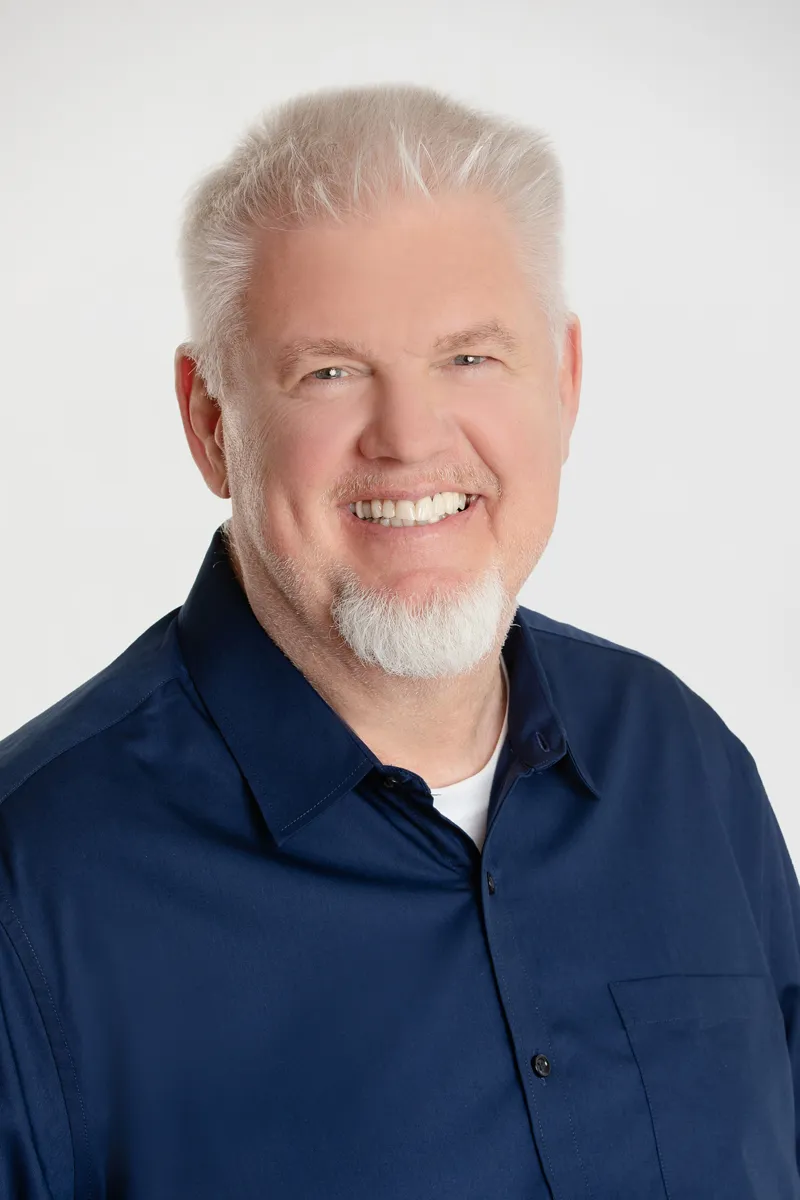
Dr. med. Günther Bauer

We look forward to meeting you in person
Using targeted diagnostics and individually tailored recommendations, we help you recognize muscle loss early and counteract it effectively to maintain your physical performance.
We are happy to take the time for a personal consultation to understand your health goals and find the best path for your mobility, strength and quality of life.


